
Gravel vs Concrete Driveways: What Works Best on Rural Properties in NSW?
A practical, site-by-site guide for rural property owners in the Southern Highlands covering costs, drainage, terrain and which surface works best at rural scale.
A practical, site-by-site guide for rural property owners in the Southern Highlands covering costs, drainage, terrain and which surface works best at rural scale.
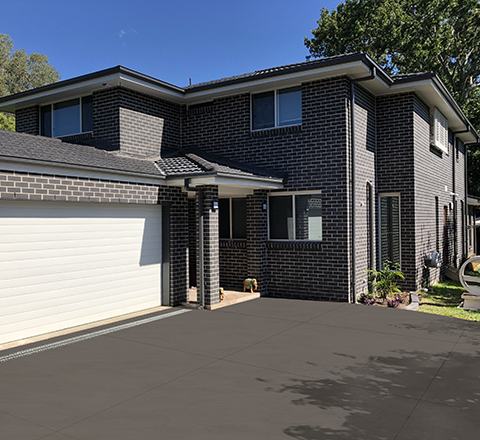
If you're on a rural block in NSW, your driveway situation looks nothing like a suburban one. You're not talking about a neat 10-metre strip from the street to a double garage. You're talking about 80, 120, sometimes 200-plus metres of access road cutting across paddocks, through clay, down slopes, and over drainage lines. The decision between gravel and concrete hits completely differently at that scale.
We build driveways in Southern Highlands regularly, and the gravel vs concrete debate comes up on almost every rural job. The honest answer is that neither material wins outright, it depends on your property's length, gradient, soil, budget, and how much ongoing maintenance you're prepared to do. This guide gives you the straight answer on all of it.
On steep slopes, concrete can present traction issues when the surface is wet. A plain concrete finish on a 1:8 or steeper gradient will become slippery in the wet conditions common to the Southern Highlands winter and spring. An exposed aggregate finish improves grip significantly and is worth the additional cost if your driveway has any meaningful grade.
On long driveways, the practical compromise most rural property owners land on is a concrete section for the first 20–40 metres from the road and near any sheds or hardstands, with a gravel surface for the remainder. This gives you the low-maintenance finish where it's most visible and most used, without the prohibitive cost of concreting an entire rural access track.
The bottom line on driveways construction in Southern Highlands is that concrete and gravel aren't actually competing options for most rural properties. They're complementary materials used in different zones of the same project.
| Surface Type | Cost per m² (NSW, 2026) | Example: 200m x 4m Driveway | Lifespan |
|---|---|---|---|
| Compacted gravel / road base | $40–$80 | $32,000–$64,000 | 5–10 years before top-up needed |
| Plain concrete | $65–$150 | $52,000–$120,000 | 25–40 years |
| Exposed aggregate concrete | $100–$180+ | $80,000–$144,000+ | 25–40 years |
| Concrete entry + gravel run (hybrid) | Varies by ratio | $45,000–$85,000 (est.) | Mixed, based on sections |
Cost estimates based on published NSW 2026 market rates from industry sources. Rural site costs, access, excavation, and drainage add to these figures. Get a site-specific quote for accurate pricing.
The Southern Highlands sits at higher elevation than coastal NSW and receives significantly more rainfall annually. Bowral, Moss Vale, and Robertson see regular heavy rain, cool winters with frost, and seasonal soil movement that suburban contractors don't always account for. Both driveway materials respond differently to these conditions.
Concrete holds its surface in wet conditions without losing material. It won't rut or develop grooves from repeated vehicle passes through wet periods. However, if the drainage isn't managed correctly, water ponding on or alongside the driveway can undermine the base and lead to cracking, especially on the reactive clay soils common to the Highlands.
Gravel is permeable by nature, which gives it an advantage in areas with high rainfall, water drains through and away rather than pooling on the surface. The challenge is that sustained heavy traffic in wet conditions can churn the surface and accelerate material loss. This is where proper drainage design, correct gravel specification, and a solid compacted base make the difference.
The right answer for most rural properties in NSW is not a straight choice between gravel and concrete, it's knowing where each material makes sense on your specific block.<.p>
| Situation | Recommended Approach |
|---|---|
| Short driveway under 40m, near the house | Concrete: low-maintenance, great appearance, cost is manageable |
| Long driveway 80m+ through paddock or bush | Compacted gravel: practical, cost-effective, easier to repair |
| Sloped driveway with a gradient over 1:10 | Concrete with exposed aggregate finish for traction, or sealed gravel with proper drainage works |
| Mixed use: residential entry plus farm track | Concrete near the house (first 20–30m), gravel for the farm track |
| Heavy vehicle use (trucks, machinery) | Reinforced concrete or heavy-spec road base gravel with deep compacted sub-base |
| Tight budget, fast turnaround needed | Gravel: lower cost, no curing time, accessible immediately |
Whatever you choose, the non-negotiable on any rural driveway in NSW is proper site preparation. The best gravel surface fails on a poor base. The best concrete slab cracks on inadequately drained clay. Get the sub-base and drainage design right, and either material will serve you well for years.
At Buildaroo, we've been building retaining walls and driveways in the Southern Highlands for over 20 years. Our licensed builders manage every project personally, from the first site visit through to the final inspection. We know how this terrain behaves, how the clay moves through the seasons, and how to build access roads that hold up through Southern Highlands winters and wet springs alike.
Whether you're building a new access track to a rural block, upgrading an ageing gravel road, or adding a polished concrete entry to your Southern Highlands property, the decision starts with an honest look at your site. Get the base right, design drainage properly, and choose the surface material that makes sense for the length, gradient, and budget of your specific project.
Buildaroo is based in Robertson and builds driveways across the Southern Highlands and Illawarra. We're a licensed, family-owned business with over 20 years of civil construction experience. Tedy personally manages every project, no project managers, no handoffs, just direct communication from the first site visit to the final sign-off.